Highly stable Zr-cages
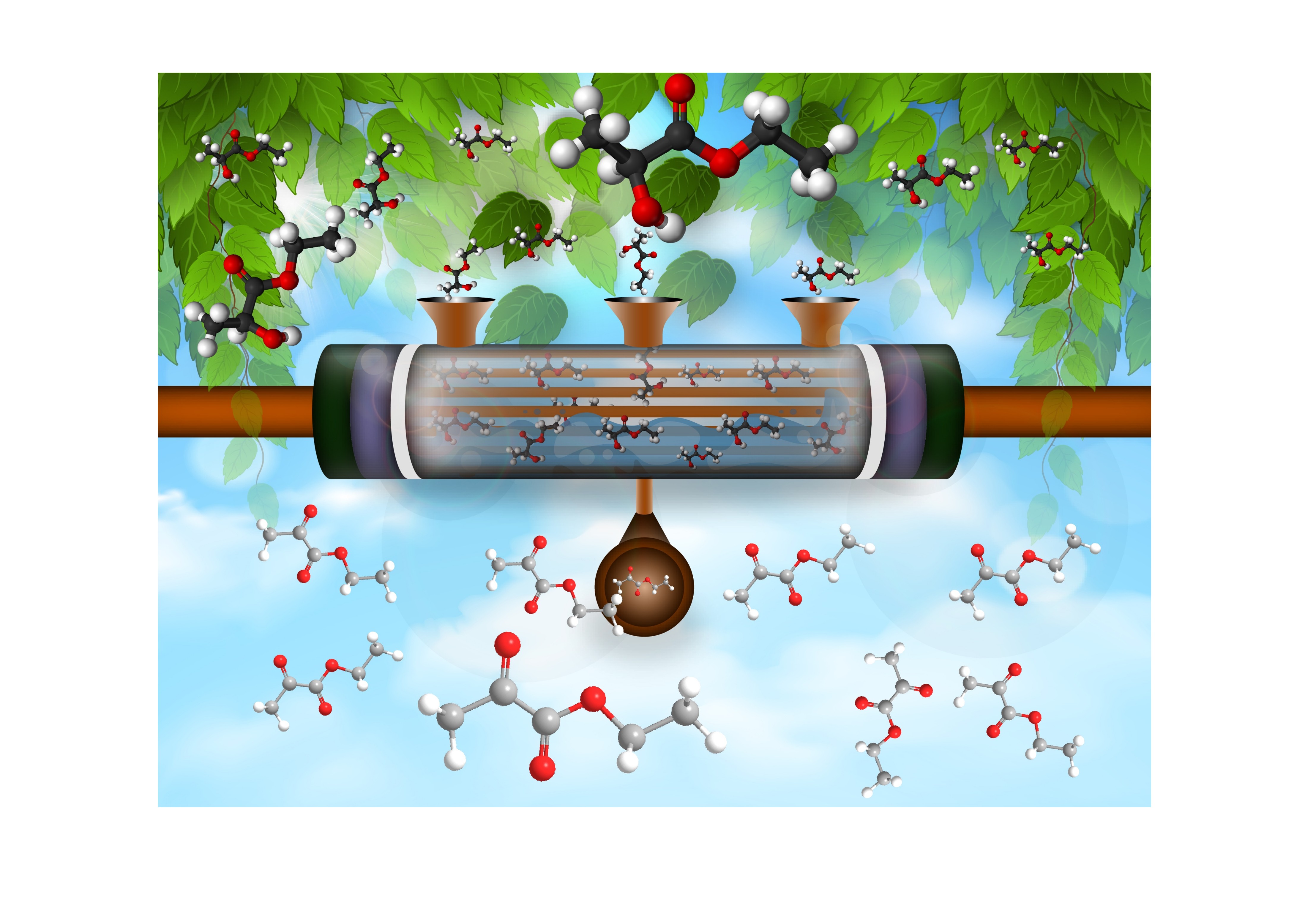
Overview
This study investigates catalytic reaction systems that utilize biomass as a renewable feedstock for producing fuels and value-added chemicals. Biomass, derived from agricultural residues, forestry by-products, algae, and organic waste, is abundant, carbon-neutral in principle, and widely distributed, offering a sustainable alternative to fossil resources. Efficient catalytic conversion of biomass enables the production of high–energy-density fuels, such as bioethanol, biodiesel, and sustainable aviation fuel, as well as platform chemicals for polymers and specialty materials. Beyond energy and chemical production, biomass valorization mitigates environmental pollution from organic waste streams, supports a circular bioeconomy, and enhances rural economic development by creating local value chains. However, the chemical complexity of biomass necessitates advanced catalytic materials and reaction systems, combined with mechanistic and kinetic understanding, to achieve high selectivity, conversion efficiency, and scalability. By integrating innovative catalysts with optimized reaction strategies, this work aims to demonstrate a sustainable approach to biomass upgrading, contributing directly to renewable energy deployment, reduced greenhouse gas emissions, and the transition toward a low-carbon economy.